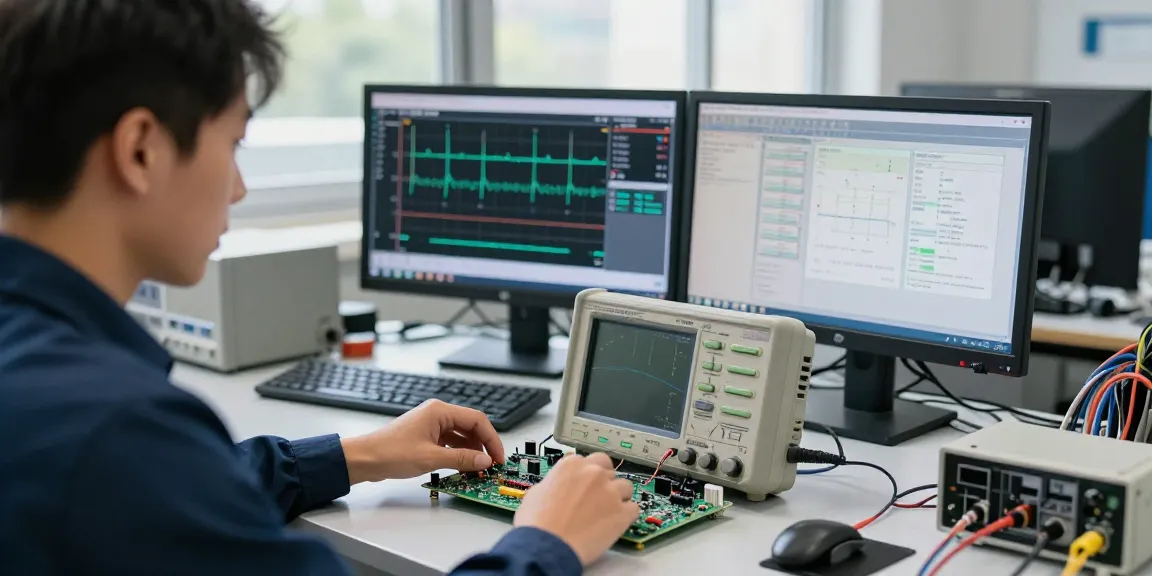
Understanding Handheld Oscilloscopes
Handheld oscilloscopes have revolutionised the way engineers, technicians, and hobbyists conduct measurements in various fields. These compact devices combine the core functionalities of traditional oscilloscopes with the advantages of portability, making them essential for on-the-go diagnostics and testing. The Handheld Oscilloscope by Hanmatek is a prime example, designed for both professionals and enthusiasts alike. With its user-friendly interface and robust functionality, it caters to a plethora of applications ranging from educational settings to field diagnostics.
What is a Handheld Oscilloscope?
A handheld oscilloscope is a portable electronic device used to measure and display electrical signals in a waveform format. Unlike traditional benchtop models, handheld oscilloscopes are lightweight and battery-operated, allowing for greater flexibility and mobility. These devices are compact enough to fit in a toolbag, yet powerful enough to perform the necessary analyses for a wide variety of electronic applications.
Core Specifications of Handheld Oscilloscopes
Handheld oscilloscopes typically feature a range of specifications that define their utility. These include bandwidth, sample rate, number of channels, and display characteristics. The bandwidth determines the highest frequency signal the oscilloscope can measure, while the sample rate indicates how quickly the device can sample those signals. For instance, the Hanmatek HO11 features a bandwidth of 40 MHz and a sampling rate of 48 MS/s, making it suitable for low to medium-frequency applications.
Benefits of Portability in Measurement Tools
The main advantage of handheld oscilloscopes is their portability. Technicians can take these devices to remote locations or crowded areas without the need for dedicated laboratory space. This is particularly useful in fields such as automotive diagnostics, where technicians often need to evaluate vehicle components on-site. Additionally, battery-operated models remove the constraints of power source, enhancing usability in various environments.
How Handheld Oscilloscopes Work
The operating principles of handheld oscilloscopes are fundamental to their functionality. They capture electrical signals from circuits through probes and convert these signals into a digital waveform display. This process allows users to visualise and analyse the waveforms in real time, enabling effective troubleshooting and diagnostics.
The Operating Principles of Handheld Oscilloscopes
When a signal is input into a handheld oscilloscope via its probes, the device digitises the signal. It then processes this data and displays it on the screen, often in real-time. The representation of the waveform can be adjusted for different parameters, such as time base and voltage scale, allowing the user to focus on specific characteristics of the signal.
Key Features Explained: Display and Functionality
One of the notable features of modern handheld oscilloscopes, like the Hanmatek HO11, is their clear TFT display, measuring 2.8 inches. This display enhances usability by allowing users to see waveforms clearly without straining their eyes. Moreover, features such as triggering modes, measurement functions, and automated setup processes optimise the overall user experience and streamline testing tasks.
Power Sources: The Case for USB Rechargeable Models
The convenience of USB rechargeable models enhances the functionality of handheld oscilloscopes significantly. With built-in batteries that are easily rechargeable, users can operate these devices without the constant need for a mains power supply. This capability is particularly beneficial during field tests where access to power outlets may be limited, allowing professionals to focus on diagnostics without interruptions.
Common Use Cases for Handheld Oscilloscopes
Handheld oscilloscopes have a wide array of applications that cater to various industries and sectors. From electronics troubleshooting to educational experimentation, these devices are versatile in nature and essential for many tasks.
Field Applications: Troubleshooting and Diagnostics
One of the primary use cases for handheld oscilloscopes is in field applications, where technicians diagnose and troubleshoot electronic components and systems. For instance, they can be used to check signal integrity in automotive circuits, allowing for quick identification of faults without the need to revert to a workshop.
Educational Uses: Learning and Experimentation
In educational settings, handheld oscilloscopes serve as excellent teaching tools. They allow students to engage practically with concepts of electronics, such as voltage measurements and waveform analysis. By using handheld oscilloscopes, students can conduct experiments in real-time, which enhances the learning experience and solidifies their understanding of electronic principles.
Automotive Testing: Monitoring Signal Integrity
Handheld oscilloscopes are also invaluable in automotive testing applications. They can be employed to monitor the integrity of signals from sensors and electronic control units (ECUs). For example, technicians can assess the performance of oxygen sensors or analyse the electrical signals of ignition systems, ensuring that vehicles operate efficiently and safely.
Best Practices for Accurate Measurements
To achieve the most accurate readings with handheld oscilloscopes, it is crucial to adhere to best practices that enhance measurement accuracy and reliability.
Optimising Your Setup: Probes and Calibration
The setup of the oscilloscope, including the probes used, significantly impacts measurement accuracy. It is essential to use high-quality probes that are compatible with the oscilloscope and to calibrate the device regularly. Calibration ensures that the oscilloscope readings reflect accurate measurements, giving users confidence in their results.
Troubleshooting Common Issues with Handheld Oscilloscopes
Even with the best devices, users may encounter common issues such as unstable waveforms or no signal display. These problems can often be resolved by checking probe connections, ensuring appropriate trigger settings, and verifying battery levels. Understanding the common causes of these issues can save users time and frustration during their measurements.
Techniques for Capturing and Storing Data Effectively
Effective data capture techniques can greatly enhance the usability of handheld oscilloscopes. Users should familiarise themselves with the device’s data storage capabilities, such as temporary waveform capture. Using features like screenshots or data logging can help document findings and facilitate further analysis or reporting.
The Future of Handheld Oscilloscope Technology
As technology continues to evolve, so does the functionality of handheld oscilloscopes. Innovations in this field promise to enhance user experience and broaden the potential applications of these devices.
Emerging Trends in Portable Measurement Solutions
The future of handheld oscilloscopes lies in improving portability and functionality. Developments in battery technology, user interface design, and connectivity options such as Bluetooth and Wi-Fi are all creating a more seamless experience. Such advancements may lead to integration with mobile devices and cloud services, enabling enhanced data sharing and analysis.
Expected Innovations for Industry Professionals
Looking ahead, professionals can expect to see increased automation in handheld oscilloscopes. Automated measurement features, combined with advanced signal processing algorithms, will make it easier for users to obtain precise measurements with minimal manual adjustments. These innovations will be particularly beneficial in high-demand environments where efficiency is paramount.
Staying Competitive with Advanced Testing Tools
As industries push for higher quality standards, having the right tools at one’s disposal becomes critical. Handheld oscilloscopes like the Hanmatek HO11 equip professionals with the capabilities required to meet these demands. With their portability, reliability, and advanced functionality, they enable engineers and technicians to stay competitive in an ever-evolving landscape.