
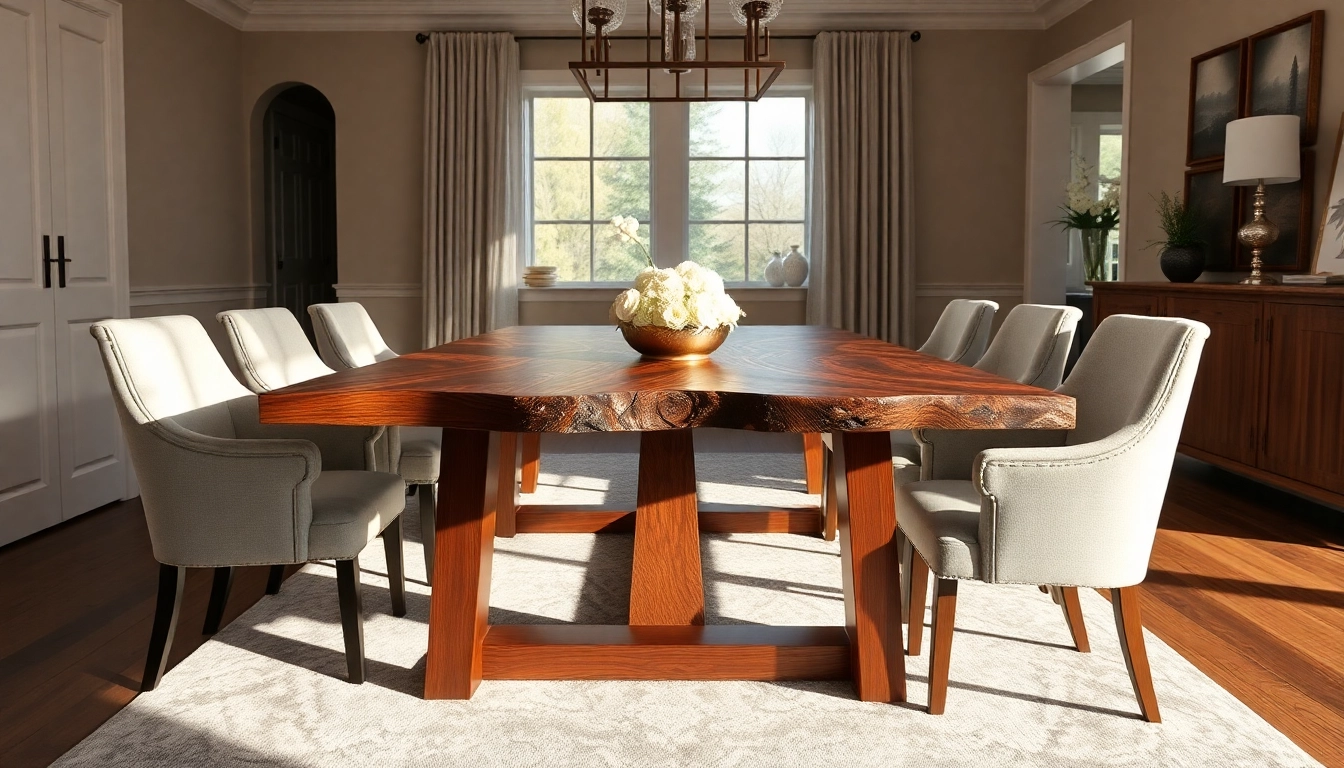
Understanding the Appeal of Custom Dining Tables
In an era where mass-produced furniture dominates the market, the allure of Custom dining table stands out as a beacon for those seeking uniqueness, quality, and personalization in their home decor. Custom dining tables are more than just functional pieces; they serve as the centerpiece for gatherings, family meals, and celebrations. The increasing demand for bespoke designs reflects a larger movement towards individuality in interior design, where consumers are not just looking for furniture but rather a story, a connection, and tailored elegance in their living spaces.
Why Choose Custom Over Off-the-Shelf?
Choosing a custom dining table over standard options allows homeowners to create a piece that resonates with their personal style and complements their existing decor. Off-the-shelf furniture often lacks the character and quality found in handcrafted pieces. By opting for custom designs, consumers gain the advantage of superior craftsmanship and materials that can stand the test of time. Furthermore, custom dining tables cater to specific needs regarding size, shape, and functionality, ensuring they fit perfectly within the space they occupy.
The Unique Benefits of Handcrafted Furniture
Handcrafted furniture, particularly custom dining tables, invites an unmatched level of individuality into your home. Each piece is crafted by skilled artisans who pour their expertise and passion into creating unique furniture tailored to your specifications. The benefits include:
- Durability: Handcrafted tables are often made from solid hardwoods, ensuring longevity and resilience against wear and tear.
- Aesthetic Appeal: The unique marks and grains of solid wood offer a beauty that mass-produced furniture can rarely replicate.
- Supporting Local Artisans: Investing in handcrafted furniture supports local craftsmen and the economy, fostering sustainable practices.
Design Flexibility and Personalization Options
One of the most compelling reasons to opt for a custom dining table is the design flexibility it offers. Customers can select from various styles, from rustic farmhouse designs to modern minimalism, ensuring that the final product reflects their personality and home’s aesthetic. Your choices may include:
- Wood Species: Options such as walnut, oak, maple, and hickory provide distinct appearances and functionalities.
- Finishes: From natural stains to vibrant colors, the finish can dramatically influence the table's look.
- Size and Shape: Whether you want a long rectangular table for family gatherings or a round table for intimate dinners, the customization options are vast.
Essential Features of a Quality Custom Dining Table
Materials That Matter: Solid Hardwoods vs. Veneers
When considering a custom dining table, the choice of materials is paramount in determining the table's quality and durability. Solid hardwoods, such as oak, maple, or walnut, are preferred for their strength and longevity. Unlike veneers, which can peel or chip over time, solid hardwoods provide a robust foundation that can withstand daily use while maintaining elegance. Choosing a table made from these materials means investing in a piece of furniture that can last generations.
Design Elements: Legs, Tabletop Styles, and Finishes
The visual impact of a dining table largely stems from its design elements. Customization allows for various leg designs, including traditional turned legs or modern tapered styles, enhancing the table's overall look. Additionally, the tabletop itself can be tailored to fit your taste, whether you prefer a smooth finish, a live edge for a natural feel, or intricate detailing that showcases artisan craftsmanship. Coupled with personalized finishes, these elements come together to create a unique piece that is truly your own.
Integrating Technology: Power Options and Functionality
Today's custom dining tables can incorporate modern technology seamlessly. Features such as built-in power outlets, USB ports, and hidden wire management systems enhance functionality without compromising aesthetics. This innovation makes dining tables not just places for meals but also multifunctional spaces suitable for work and social gatherings.
Designing Your Custom Dining Table: Key Considerations
Measuring Your Space: Size and Layout Tips
Before diving into design, it’s crucial to measure your space accurately. Consider the layout of your dining area, including proximity to other furniture, to ensure the table fits comfortably. As a rule of thumb, allow at least 36 inches of space around the table for movement. This not only ensures comfort but allows for easy access during meals.
Choosing the Right Wood Species for Your Style
Each wood species offers a distinctive character and grain. For example, oak is robust with a prominent grain, making it an excellent choice for rustic designs, while walnut provides a rich, dark aesthetic suitable for modern settings. Understanding the characteristics and durability of each wood type can help you select the best option for your custom dining table.
Finish Samples: Making Informed Color Choices
When investing in a custom dining table, choosing the right finish is crucial. Many manufacturers offer finish samples, allowing you to see how different stains and colors look in your actual space. This process helps you make informed decisions, ensuring the final product aligns with your vision and complements your decor.
Custom Dining Tables for Various Settings
Residential vs. Commercial Designs: What’s Different?
While residential custom dining tables prioritize aesthetics and personal style, commercial designs focus on durability and functionality. For restaurants and hotels, tables must withstand heavy use while still being visually appealing. Custom solutions allow businesses to create a cohesive look that enhances the customer experience, incorporating elements such as complementary chairs and designs that reflect the establishment’s theme.
Creating Cohesion: Matching Chairs and Accessories
To create a harmonious look in your dining area, consider how your dining table will interact with surrounding chairs and accessories. Matching wood types and finishes can unify the space, while contrasting styles can create a dynamic visual interest. The goal is to create an inviting environment that reflects your style and meets practical needs.
Durability and Maintenance for Heavy Use
For those in the hospitality industry, selecting materials and finishes that endure heavy use is paramount. Solid wood tables with durable stains can resist scratches and spills, ensuring longevity. Additionally, choosing finishes that are easy to clean, such as polyurethane, can help preserve the table's appearance, maintaining its appeal with minimal effort.
Future Trends in Custom Dining Tables for 2026
Sustainable Practices in Furniture Manufacturing
The future of custom dining tables is heading towards sustainability. As consumers become more eco-conscious, the demand for furniture made from sustainably sourced materials is increasing. Expect to see more manufacturers adopting eco-friendly practices, using reclaimed wood, and making conscious choices in their production processes.
Embracing Minimalism and Functional Aesthetics
Minimalism continues to be a significant trend in interior design, including custom furniture. Simpler designs that emphasize clean lines and functionality will likely dominate the market. Custom dining tables that incorporate storage solutions or multipurpose features will be highly sought after as homeowners lean towards decluttered living spaces.
Predicted Styles: From Live Edges to Mixed Materials
As we look ahead, the use of live edges and mixed materials will become increasingly popular. Tables that showcase their natural wood edges paired with metal or glass elements create stunning focal points in any dining space. This blend of textures not only adds visual appeal but also speaks to a blend of rustic and modern aesthetics, appealing to a broad audience.