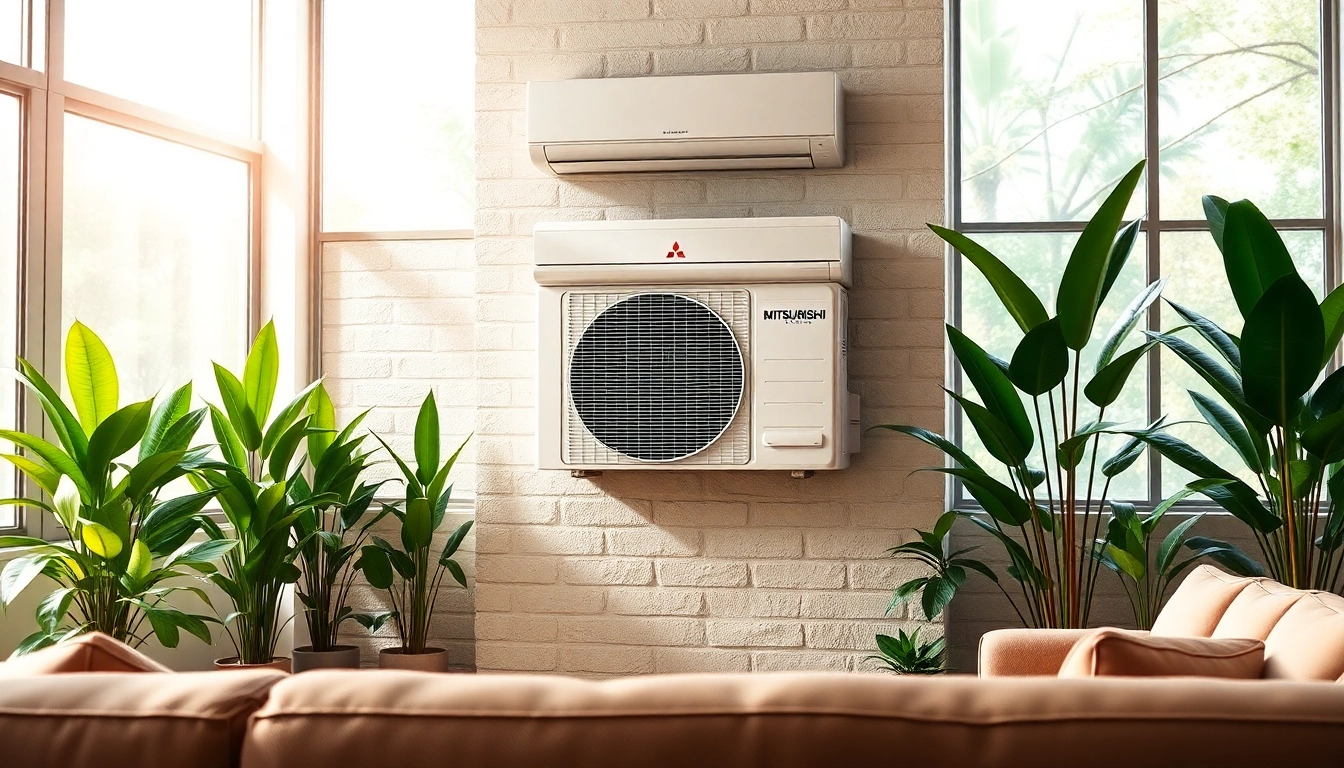
Understanding Mitsubishi Mini Split AC Systems
What is a Mitsubishi Mini Split AC?
The mitsubishi mini split ac is an innovative air conditioning solution designed to provide efficient heating and cooling for individual rooms or spaces without the need for ductwork. These versatile systems are particularly beneficial in areas where traditional HVAC systems would be impractical. The Mitsubishi mini split consists of two main components: an indoor unit, which delivers conditioned air into the living space, and an outdoor unit, responsible for heat exchange with the outdoor environment. This dual-unit design allows for flexible installation options and efficient operation, making it a popular choice in both residential and commercial settings. With advanced inverter technology, Mitsubishi mini splits can adjust their cooling and heating output based on the specific requirements of the room, ensuring consistent comfort and reducing energy consumption.
Key Features of Mitsubishi Mini Split AC
Mitsubishi mini split AC systems are renowned for their innovative design and outstanding performance. Here are some key features that set them apart:
- Inverter Technology: Mitsubishi systems are equipped with inverter-driven compressors that adjust their speed to provide the desired temperature without unnecessary energy expenditure.
- Whisper-Quiet Operation: These units are designed for low noise levels, ensuring a peaceful environment perfect for homes, offices, or retail settings.
- Multi-Zone Capability: Mitsubishi mini splits can be installed in multiple rooms, allowing for personalized climate control across different zones of your home or business.
- Advanced Filtration: Many models come with high-efficiency filters that reduce allergens and improve indoor air quality.
- Energy Efficiency Ratings: Most Mitsubishi mini split AC units feature high SEER (Seasonal Energy Efficiency Ratio) ratings, which translates to significant savings on energy bills.
Benefits of Installing Mitsubishi Mini Split AC
Installing a Mitsubishi mini split AC can deliver numerous benefits, contributing to increased comfort, efficiency, and control over indoor temperatures:
- Enhanced Comfort: The ability to customize temperatures for different zones creates a more comfortable environment tailored to individual preferences.
- Lower Energy Costs: With advanced energy-efficient technology, users can enjoy reduced energy consumption and lower utility bills.
- Flexible Installation: As a non-ducted system, a Mitsubishi mini split can be installed in a variety of locations, minimizing installation complexities and costs.
- Environmentally Friendly: Many models use eco-friendly refrigerants that minimize their impact on the ozone layer.
- Year-Round Use: Mitsubishi mini splits provide both heating and cooling options, making them a versatile choice for all seasons.
Choosing the Right Mitsubishi Mini Split AC Model
Factors to Consider When Selecting
Selecting the appropriate Mitsubishi mini split AC model involves considering various factors, including the size of the space, insulation levels, and specific comfort needs. Here are the key points to focus on:
- Room Size: Calculate the square footage of the space where the unit will be installed. This will help determine the capacity required, measured in BTUs (British Thermal Units).
- Energy Efficiency: Look for models with high SEER and EER (Energy Efficiency Ratio) ratings to ensure maximum efficiency and long-term savings.
- Number of Zones: Consider whether a single-zone or multi-zone system is more appropriate based on your home's layout.
- Features: Decide on the features that are important to you, such as remote control capabilities, programmable timers, or smart home integration.
- Budget: Determine your budget not only for the initial purchase but also for installation and ongoing energy costs.
Comparing Models: What to Look For
When comparing different models of Mitsubishi mini split AC systems, focus on several critical aspects:
- Cooling and Heating Capacity: Match the BTU rating to your room's size. Too small a unit will struggle to cool the space, while too large a unit can lead to inefficiencies.
- Noise Levels: Review the decibel ratings of the indoor units; quieter models are preferable for residential settings.
- Warranty: Check the manufacturer's warranty for durability assurances and potential maintenance costs.
- Smart Features: Assess whether the model has smart connectivity options, which allow for remote control using mobile apps or integration with home automation systems.
- Customer Reviews: Research feedback and testimonials from current users for real-world performance insights.
Energy Efficiency Ratings Explained
Understanding energy efficiency ratings is crucial when selecting a Mitsubishi mini split. Key metrics include:
- SEER (Seasonal Energy Efficiency Ratio): This rating indicates the cooling output during a typical cooling season divided by the total electric energy input. Higher SEER ratings signify better energy efficiency, with many Mitsubishi models surpassing 20 SEER.
- EER (Energy Efficiency Ratio): Similar to SEER but measured for a specific temperature—this ratio is determined by cooling output divided by power input at a steady outside temperature of 95°F.
- HSPF (Heating Seasonal Performance Factor): This rating measures heating efficiency—higher HSPF values represent more efficient heating that can save money on winter bills.
Installation Process for Mitsubishi Mini Split AC
Preparation Steps Before Installation
Proper preparation is essential for a successful installation of your Mitsubishi mini split AC system. Follow these steps:
- Select the Location: Choose locations for both the indoor and outdoor units that offer optimal airflow and are accessible for maintenance.
- Check Electrical Requirements: Ensure your home has adequate electrical capacity and amperage for the unit you are installing to avoid potential overloads.
- Obtain Permits: Depending on local regulations and your home's guidelines, you may need installation permits—check with your local building department.
- Gather Tools and Materials: Collect all necessary tools, including a stud finder, level, drill, and mounting brackets, ensuring you have everything required for a smooth process.
- Plan the Piping Route: Determine the best path for refrigerant, electrical, and drainage lines, taking into account aesthetics and efficiency.
DIY vs Professional Installation
Deciding between DIY installation and hiring a professional involves weighing the pros and cons of each approach:
- DIY Installation: This can save money and give you a sense of accomplishment. However, it requires a knowledgeable understanding of HVAC systems, local codes, and electrical connections.
- Professional Installation: Hiring experts ensures compliance with regulations, proper setup, and can save time. Experts are often familiar with mitigating potential problems, reducing the likelihood of future service needs.
For most homeowners, opting for professional installation is a wise choice, particularly for complex systems, while those with considerable experience may tackle a simpler installation.
Common Installation Mistakes to Avoid
Whether DIY or professional, avoid these common pitfalls during installation:
- Poor Location Selection: Avoid obstructed airflow or areas with excessive heat sources.
- Inadequate Insulation: Ensure that refrigerant lines and electrical wiring are well-insulated to prevent energy loss.
- Incorrect Line Sizing: Use properly sized refrigerant and drainage lines to ensure efficiency and correct coolant flow.
- Ignoring Level Installations: Both units must be level to guarantee proper operation—every installation surface should be checked with a level.
- Neglecting Local Codes: Adhering to regulations is crucial, so be sure to educate yourself on any specific local requirements.
Maintenance Tips for Mitsubishi Mini Split AC
Routine Maintenance Checklist
- Filter Cleaning: Clean or replace the air filters at least every few months, especially during high-usage seasons.
- Check Drainage Lines: Ensure that condensate drainage lines are clear to prevent water leaks and system damage.
- Inspect Outdoor Unit: Clear debris around the outdoor unit to ensure adequate airflow and check for signs of wear.
- Examine Electrical Components: Regularly inspect connections and components for signs of wear or damage.
- Schedule Annual Professional Tune-Ups: Have a professional inspection done annually to ensure optimal performance and address any potential issues early on.
Signs Your Mitsubishi Mini Split AC Needs Servicing
Be aware of warning signs indicating that your AC unit may need servicing:
- Unusual Noises: Strange sounds such as grinding or clicking can suggest mechanical issues or loose parts.
- Extended Cooling Times: If your unit takes longer than normal to cool the space, it may indicate reduced efficiency.
- Inconsistent Temperatures: Difficulty in maintaining a steady temperature can suggest problems with the thermostat or refrigerant levels.
- Increased Energy Bills: A sudden spike in energy costs without any change in usage can signal inefficiency or malfunctioning components.
- Odors: Strange smells, particularly musty or burnt odors, require immediate servicing as they may indicate mold or electrical issues.
How to Extend the Life of Your AC Unit
To maximize the lifespan of your Mitsubishi mini split AC, consider these longevity tips:
- Regular Cleaning: Keep filters, coils, and vents clean to ensure efficient airflow and prevent system strain.
- Monitor Usage: Be mindful of how you use the system; avoid setting the temperature too low or exceeding the recommended operating limits.
- Annual Maintenance: Schedule annual check-ups with a qualified technician to catch issues early and maintain peak functioning.
- Educate Yourself: Learn operational best practices and system capabilities to use your mini split effectively and efficiently.
- Invest in Quality: When it comes time for replacements or upgrades, only invest in quality components and accessories compatible with your system.
Troubleshooting Common Issues with Mitsubishi Mini Split AC
Identifying Common Problems
With any mechanical system, issues may arise. Identify common problems associated with Mitsubishi mini splits:
- Unit Won't Start: Check for power supply issues. Ensure the circuit breaker hasn't tripped, and verify that the disconnect switch is on.
- Inadequate Cooling/Heating: Verify that the filters are clean and the thermostat settings are correct. If problems persist, check refrigerant levels.
- Strange Noises: Unusual sounds can indicate internal issues, such as loose parts or dirty fans.
- Water Leaking: This could suggest clogged filters, blocked drainage lines, or improper installation.
- Frequent On/Off Cycling: If the unit frequently turns on and off, it may indicate an oversized system or issues with the thermostat.
Simple Fixes You Can Try at Home
Before calling for professional help, here are some simple fixes you can attempt:
- Reset the Unit: Turn off the unit for a few minutes and then restart it to reset any electronic glitches.
- Clean the Filters: Remove and clean or replace dirty filters to improve airflow and efficiency.
- Inspect Remote Controls: Check batteries and functionality of remote controls; sometimes, the issue is as simple as needing new batteries.
- Clear Debris: Ensure the area around outdoor units is free from debris and landscaping that prevents airflow.
- Check Drainage: Ensure that the condensate drain is clear and functional to prevent flooding.
When to Call a Professional for Help
While many issues can be addressed at home, certain situations warrant professional attention:
- Electrical Issues: If you are experiencing frequent tripped breakers or strange electrical smells, contact an HVAC expert.
- Refrigerant Problems: If you suspect a refrigerant leak, it's best to leave this job to certified professionals due to its complexity and hazards.
- Performance Issues Persist: If basic troubleshooting does not resolve problems, don't hesitate to call for an inspection before the issue escalates.
- Electrical Component Replacement: Difficulty or uncertainty around replacing electrical parts, such as circuit boards, should prompt the involvement of a trained technician.
- Annual Maintenance: To maintain warranty compliance and ensure proper operation, schedule professional service annually.
Frequently Asked Questions
1. How long does a Mitsubishi mini split AC last?
With proper maintenance, a Mitsubishi mini split AC can last 15 to 20 years. Regular servicing is key to longevity.
2. Can I install a Mitsubishi mini split AC myself?
While possible, it's recommended to hire professionals to avoid common installation mistakes and ensure compliance with local codes.
3. What is the difference between single-zone and multi-zone systems?
Single-zone systems cool or heat one room, while multi-zone systems can control temperatures in multiple areas, offering personalized comfort.
4. Are Mitsubishi mini split AC units energy efficient?
Yes, they typically have high SEER ratings, indicating excellent energy efficiency that can lead to lower utility bills.
5. How often should I clean the filters on my mini split AC?
It's advisable to clean or replace the filters every few months, especially during peak usage seasons, to maintain optimal performance.