Understanding the Appliance Repair CRM Landscape
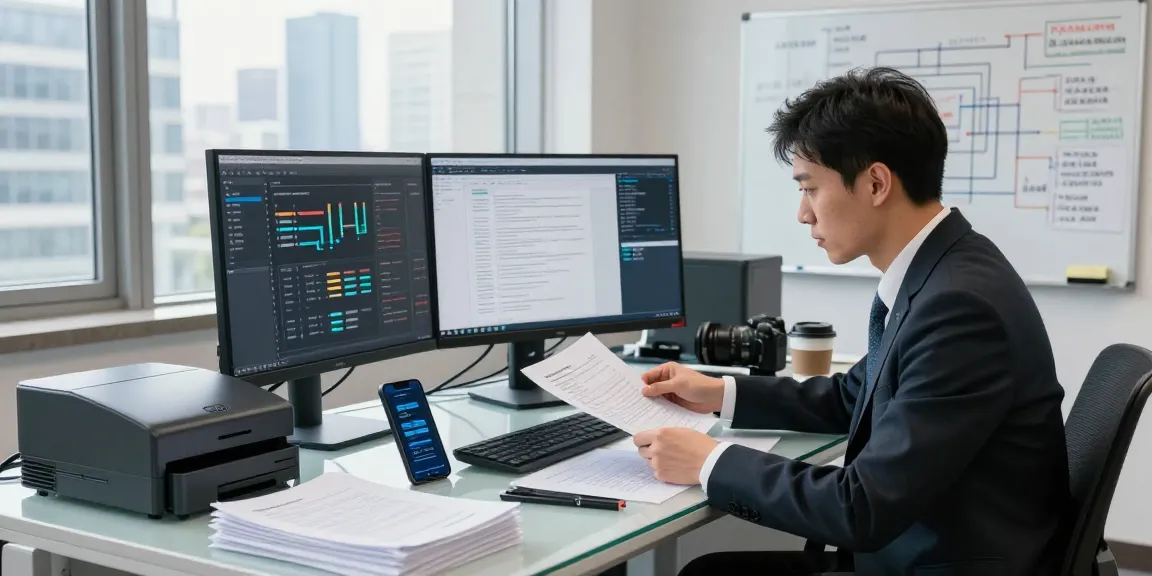
In today’s competitive market, appliance repair businesses must leverage technology to enhance customer satisfaction and streamline operations. An appliance repair CRM (Customer Relationship Management) system serves as a vital tool for service providers, facilitating better management of customer data, service requests, and organizational workflows. When exploring options, * appliance repair CRM appliance repair CRM offers comprehensive insights into how to effectively manage your business, from job scheduling to invoicing.
What is an Appliance Repair CRM?
An appliance repair CRM is a software solution designed specifically for companies in the appliance repair industry. It allows businesses to manage customer relationships, track service requests, and streamline communication between field technicians and the office. The primary objective is to enhance operational efficiency and improve customer experience by centralizing critical information and automating routine tasks.
Benefits of Implementing CRM Systems in Appliance Repair
- Enhanced Customer Communication: By consolidating customer interaction data, a CRM enables service providers to tailor their communication, ensuring timely responses and personalized service.
- Improved Job Scheduling: CRM systems help in efficiently scheduling appointments and dispatching technicians based on real-time availability and location, reducing wasted time and improving workflow.
- Data-Driven Insights: Analytics features help businesses monitor performance metrics, identify trends, and make informed decisions that drive growth.
- Streamlined Invoicing: Automating payment processing ensures that service providers can send out invoices promptly, reducing delays in cash flow.
- Task Automation: Routine tasks can be automated, allowing employees to focus on higher-value activities that require their expertise.
Key Features to Look for in an Appliance Repair CRM
When selecting a CRM for your appliance repair business, consider features that cater specifically to your operational needs:
- Client Management: A robust CRM should enable easy tracking of customer information, including service history and preferences.
- Scheduling and Dispatching: Integrated scheduling tools that optimize technician assignments based on availability and proximity to job locations are vital.
- Work Order Management: The ability to generate and manage work orders effectively helps in ensuring that no job is overlooked.
- Integrated Payment Processing: Look for solutions that offer seamless invoicing and payment capabilities to streamline your financial workflow.
- Mobile Access: Given the on-the-go nature of service businesses, mobile capabilities are essential for technicians to access information and communicate in real-time.
Choosing the Right Appliance Repair CRM Solution
Comparative Analysis of Top CRM Solutions
There is a wealth of CRM solutions available for appliance repair businesses, each offering different features and benefits. To choose the right one, it’s crucial to compare options based on your specific needs:
- ServiceJan: Offers comprehensive features that integrate CRM, dispatch, and billing functionalities in one platform.
- Jobber: Known for its user-friendly interface, Jobber allows for easy job tracking and invoicing.
- BuildOps: Tailored for contractors, it helps manage service requests, technician assignments, and customer relations.
- FieldCamp: Provides AI-powered technologies to enhance scheduling and customer engagement processes.
Cost Considerations for Appliance Repair CRMs
The cost of CRM systems can vary widely based on features, user limits, and subscription models. Here’s what to keep in mind:
- Monthly vs. Annual Plans: Many CRMs offer flexible pricing based on monthly or annual subscriptions; choose what best fits your budget.
- Scalability: Consider whether the CRM can grow with your business—will it accommodate additional users or features down the line?
- Hidden Costs: Be aware of potential hidden fees for things like additional integrations, upgrades, or support services.
Understanding CRM Integrations and Compatibility
Successful CRM implementation often hinges on how well it integrates with your existing systems:
- API Compatibility: Ensure that the CRM can connect to your current tools, whether it's financial software, inventory systems, or communication platforms.
- Third-Party Integrations: Check for compatibility with popular service management apps to enhance overall efficiency.
Optimizing Your Appliance Repair Business with CRM
Streamlining Customer Communication and Job Scheduling
Using a CRM enhances the way appliance repair businesses communicate with customers. With features that allow for automated reminders and follow-ups, businesses can reduce missed appointments and ensure customer satisfaction. Additionally, advanced scheduling systems within CRMs efficiently allocate jobs to technicians based on their current workload and location, enabling quicker response times.
Using Data Analytics to Enhance Service Delivery
Data analytics capabilities in a CRM can provide valuable insights into customer preferences, peak service times, and technician performance. Utilizing this data helps appliance repair businesses make informed decisions about staffing, marketing, and inventory management. Companies can identify patterns in service requests—such as common appliance issues—which can lead to improved offerings and increased customer satisfaction.
Best Practices for Managing Customer Relationships
- Regular Communication: Host periodic check-ins with clients to gather feedback and ensure their needs are being met.
- Post-Service Follow-Up: Implement automated follow-ups after service completion to gauge satisfaction and encourage repeat business.
- Customized Marketing: Use customer data to tailor marketing efforts, such as personalized promotions based on service history.
Overcoming Common Challenges with CRM Adoption
Identifying and Addressing User Resistance
User resistance can be a significant barrier to successful CRM implementation. It’s vital to communicate the benefits clearly to the team and involve them in the selection process. Providing training sessions and fostering an open culture can also ease the transition and ensure buy-in from all staff members.
Training Your Team for Successful CRM Implementation
Comprehensive training is essential for maximizing the benefits of a CRM system. Tailored training sessions for different roles within your organization help ensure that all employees are equipped to use the system effectively. Utilizing hands-on demonstrations and real-life scenarios can further enhance understanding and competence.
Measuring the Impact of CRM on Business Operations
After implementation, it’s important to continue monitoring the CRM’s effectiveness. Key performance indicators (KPIs) such as response time, customer retention rates, and service completion times should be established to gauge improvements. Regular review meetings can help to assess these metrics and make necessary adjustments to processes.
Future Trends in Appliance Repair CRM Technology
AI and Automation in CRM for Appliance Repair
The integration of AI and automation is poised to revolutionize CRM for appliance repair businesses. Predictive analytics can help anticipate customer needs and optimize scheduling based on historical data. Additionally, automated customer service features, such as chatbots, can handle initial inquiries, freeing up staff to focus on more complex tasks.
Emerging Features to Anticipate in 2026 and Beyond
- Enhanced Mobile Functionality: Expect increased capabilities for mobile apps, allowing technicians to update job statuses and access customer information on the go.
- Greater Integration of IoT: The Internet of Things (IoT) can provide real-time data on appliance performance, enabling more proactive service offerings.
- Improved User Interfaces: As more user-friendly designs emerge, CRMs will continue to focus on enhancing user experience for both staff and customers.
How to Stay Competitive with New CRM Innovations
Staying competitive in the appliance repair market requires continual adaptation to new technologies. Regular updates and training on CRM capabilities are necessary to leverage advancements and maintain an edge. Companies should also actively seek customer feedback to understand their evolving needs and how technology can meet them.