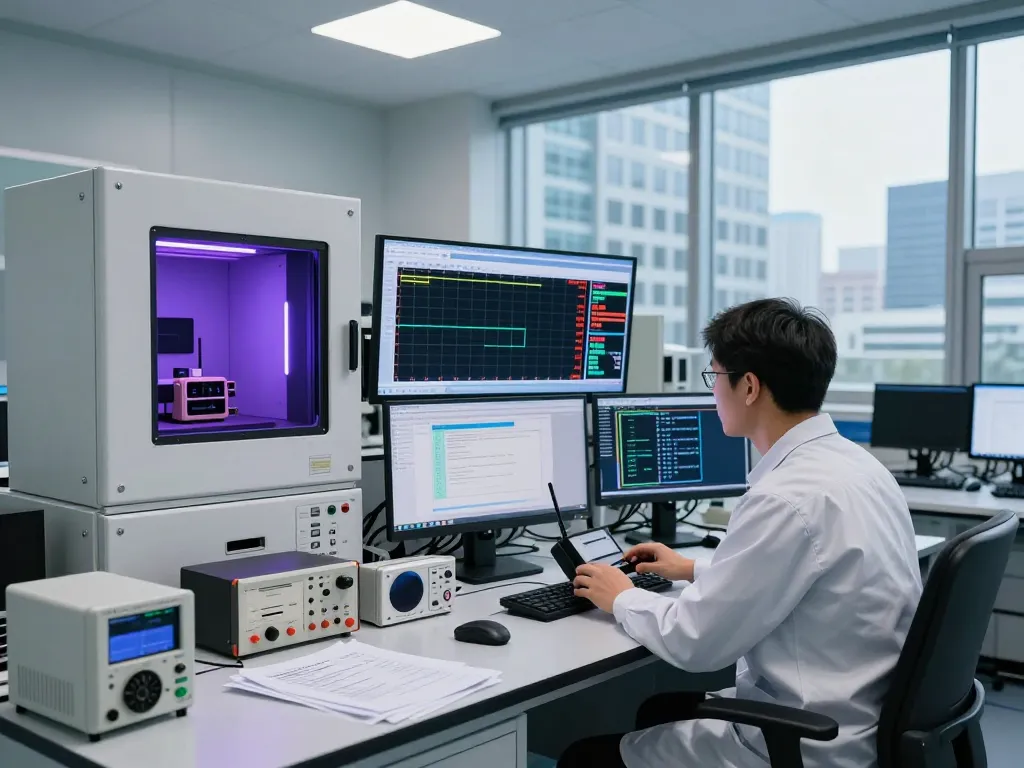
Understanding FCC Compliance Requirements
The Federal Communications Commission (FCC) plays a vital role in regulating communications in the United States, ensuring that devices meet essential compliance standards. With technology evolving rapidly, ensuring that wireless devices adhere to FCC guidelines is no small feat. Meeting these standards is crucial for manufacturers to ensure their products can be marketed and sold legally. When exploring options, FCC compliance is a significant aspect that must be considered during the product development and testing stages.
What is FCC Compliance?
FCC compliance involves adherence to regulations set forth by the FCC, which governs telecommunications and media in the United States. The primary objective of these regulations is to manage and safeguard the radio spectrum and ensure that electronic devices do not interfere with one another. Compliance covers a wide range of products, particularly those that utilize wireless technology, ensuring they operate within the designated frequency bands and do not emit harmful electromagnetic interference (EMI).
Importance of FCC for Wireless Devices
Wireless devices are ubiquitous, from smartphones to smart home technology. Because these devices share limited radio frequencies, FCC regulations ensure that they function harmoniously without disrupting one another. Compliance is not just a regulatory hurdle; it serves to protect consumers from poorly designed devices that could cause interference or malfunction. Moreover, achieving FCC certification often leads to increased consumer trust and broader market access.
Common Compliance Challenges
Manufacturers face significant challenges in achieving FCC compliance, primarily due to the complexity of the regulations and the rigorous testing standards. Common challenges include:
- Understanding Technical Requirements: The technical specifications involved in compliance can be overwhelming, especially for new entrants in the market.
- Interference Issues: Devices must be tested under various conditions to ensure they do not interfere with other products, which can be complicated.
- Certification Process: The certification process can be lengthy and costly, involving multiple rounds of testing and documentation.
Advanced EMC Testing Services
Overview of EMC Testing Procedures
Electromagnetic Compatibility (EMC) testing is critical for ensuring that devices can coexist without adversely affecting each other. The EMC testing process typically involves two key components: emission testing and immunity testing. Emission testing measures the electromagnetic fields generated by a device, while immunity testing assesses its resistance to external electromagnetic disturbances. Stancer Testing-Lab provides comprehensive EMC testing to ensure compliance with various international standards, including those set by the FCC.
Testing for RF Regulatory Compliance
Radio Frequency (RF) compliance testing assesses how well devices transmit and receive signals while adhering to FCC regulations. This includes testing for radiated emissions, conducted emissions, and immunity to RF interference. Utilizing advanced equipment, Stancer Testing-Lab offers a thorough RF testing suite that helps manufacturers verify that their products meet all necessary regulatory requirements.
Automotive EMC Testing Standards
The automotive industry faces unique challenges regarding EMC compliance due to the complex electronic systems in modern vehicles. Regulations such as ECE Regulation 10 (R10) and various ISO standards dictate stringent testing protocols. Stancer Testing-Lab specializes in automotive EMC testing, ensuring that vehicles comply with these critical standards while optimizing their electronic systems for performance.
Why Choose Stancer Testing-Lab?
Expertise and Experience in EMC Testing
Stancer Testing-Lab is staffed by a team of expert engineers who bring years of experience in EMC and RF testing across various industries. Our professionals are well-versed in the latest regulatory requirements, enabling us to guide clients efficiently through the certification process. Our commitment to excellence ensures that our clients receive accurate results and valuable insights into their product’s performance.
State-of-the-Art Testing Facilities
Equipped with cutting-edge technology, our testing facilities provide a controlled environment for precise and reliable EMC testing. Our labs are designed to accommodate various testing requirements, ensuring that each product undergoes rigorous evaluation against industry standards. These capabilities position us as a leading choice for manufacturers seeking compliance solutions.
Client Testimonials and Success Stories
We take pride in our successful collaborations with clients across diverse sectors, including telecommunications, medical devices, and the automotive industry. Our clients have repeatedly expressed their satisfaction with the comprehensive support and guidance we provide throughout the testing and certification process.
Steps for Successful Compliance Submission
Consultation Process with Stancer Experts
The first step in achieving compliance is an in-depth consultation with our experts to understand your product’s specifications and intended use. This initial engagement allows us to tailor our testing approach, ensuring that all compliance aspects are addressed.
Preparing Documentation for Certification
Once testing is complete, we assist clients in preparing the necessary documentation for submission to regulatory bodies. This documentation is crucial, as it provides evidence of compliance and outlines any modifications made to the product during development.
Timelines for Testing and Submission
Understanding timelines is vital for any manufacturer aiming to launch their product. At Stancer Testing-Lab, we strive to provide quick turnaround times without compromising the quality of our testing. We map out clear timelines for testing, certification, and submission to ensure that your product reaches the market as swiftly as possible.
Future Trends in EMC Compliance Testing
Emerging Technologies Impacting Compliance
The rapid advancement of technology brings about new challenges and opportunities in EM compliance testing. Emerging technologies such as 5G, IoT devices, and autonomous vehicles require innovative testing approaches to ensure compliance with evolving regulations.
Predictions for Regulatory Changes by 2026
As technology evolves, so too do regulatory requirements. By 2026, we anticipate significant changes in FCC regulations to accommodate the growing demand for wireless communication. Companies must stay informed and proactive in adapting to these regulatory shifts to maintain compliance.
Staying Ahead in the Compliance Landscape
Manufacturers can benefit from staying ahead of compliance trends by engaging in continuous learning and collaboration with testing laboratories. Understanding upcoming regulatory changes and integrating compliance considerations early in the product design phase can facilitate smoother testing processes.
How to Optimize for Future Guidelines
To ensure future compliance, manufacturers should focus on designing products with flexibility in mind. This includes building in capabilities to easily update firmware to address evolving standards and investing in early-stage EMC assessments to identify and address potential compliance issues.