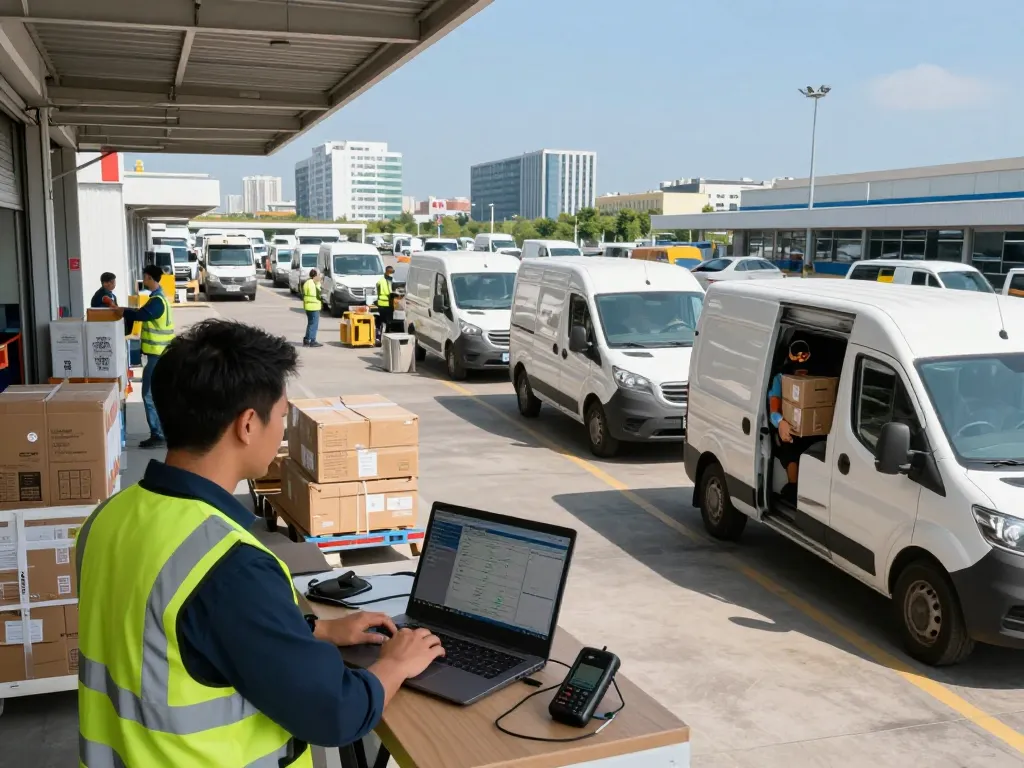
Understanding Haulage: The Backbone of Transport Logistics
Haulage represents a fundamental component of the transport logistics industry, facilitating the movement of goods over both short and long distances. In an increasingly globalized economy, effective haulage services are paramount for businesses looking to streamline their supply chains and maintain competitive advantage. Companies like Bennison Transport exemplify how time-critical transport solutions can cater to the demands of UK and European markets, operating 24/7 and ensuring prompt collection and delivery of loads, often within an hour. When exploring options, Haulage services provide comprehensive insights into what logistics entail.
What Is Haulage and Its Importance in Logistics?
Haulage, in its simplest form, refers to the transport of commodities from one location to another. It is critical in ensuring products reach their destinations efficiently, impacting inventory management, customer satisfaction, and overall business profitability. The importance of haulage in logistics cannot be overstated; it acts as the link between production and consumption, making it simple for businesses to deliver their products to the market quickly. Efficient haulage operations can reduce transit times, lower costs, and ultimately contribute to a more sustainable supply chain.
The Evolution of Haulage Over the Years
Historically, haulage has undergone significant transformations, driven by technological advancements and changing market demands. The early days of haulage relied on manual labor and basic transportation methods, such as horse-drawn carts. As industrialization progressed, the introduction of motor vehicles revolutionized the industry, allowing for faster and more reliable transport. Today, haulage companies leverage advanced logistics software, GPS tracking systems, and automated scheduling to enhance operational efficiency and responsiveness to consumer needs.
Key Players in the Haulage Industry
The haulage industry comprises various players, including small local firms, large multinational corporations, and niche service providers specializing in express logistics. Key players in this sector often include freight forwarders, road transport companies, and international shipping firms. Each of these entities plays an important role in the supply chain, working in tandem to ensure that goods are transported to their final destinations safely and efficiently. The competitive landscape drives continuous improvement in service offerings, with companies like Bennison Transport leading the way in offering tailored transport solutions.
The Role of Technology in Modern Haulage
Technology has significantly influenced the haulage industry, enhancing operational efficiency and customer satisfaction. From advanced fleet management systems to customer-facing apps that allow real-time tracking, the impact of technology cannot be underestimated. With innovation steering the future of logistics, haulage providers are better equipped than ever to meet the evolving demands of their clients and adapt to market challenges.
How GPS Tracking Enhances Delivery Efficiency
One of the most notable advancements in haulage technology is GPS tracking. This technology allows businesses to monitor the real-time location of vehicles, ensuring timely deliveries and improving route optimization. By utilizing GPS tracking, companies can significantly reduce delays caused by traffic congestion or unexpected road conditions. Furthermore, it increases accountability for drivers and enhances overall customer satisfaction by providing clients with accurate ETAs.
Automated Systems and Their Impact on Haulage
Automation is another transformative force in the haulage industry. Automated systems for managing scheduling, invoicing, and inventory help streamline operations and eliminate clerical errors. By deploying AI-powered tools, haulage companies can predict demand trends, optimize fleet usage, and improve supply chain visibility. This increased efficiency translates to cost savings, making it easier for companies to maintain competitive pricing.
Future Technologies in Haulage: What to Expect in 2026
As we look ahead to 2026, several emerging technologies are expected to further disrupt the haulage landscape. The development of autonomous vehicles holds tremendous potential, with the promise of reducing labor costs and enhancing safety. Additionally, innovations in electric and alternative fuel vehicles will likely lead to more sustainable haulage operations, aligning with the industry’s growing emphasis on environmental responsibility.
Challenges in the Haulage Sector Today
Despite its advancements, the haulage industry faces numerous challenges that complicate operations and impact service quality. Understanding these obstacles is essential for businesses aiming to refine their logistics strategies and maintain efficient operations.
Common Obstacles Facing Haulage Providers
Common challenges in haulage include fluctuating fuel prices, a shortage of qualified drivers, and increasing regulatory pressures. These factors can lead to operational inefficiencies and increased costs. Additionally, delays caused by traffic, roadworks, and extreme weather conditions can disrupt scheduled deliveries, damaging a company’s reputation and customer trust.
The Impact of Regulation on Haulage Operations
Regulatory frameworks governing haulage operations are continually evolving, impacting how companies operate. Compliance with regulations regarding safety, emissions, and driver working hours is essential but can be cumbersome. Companies must invest in training and monitoring to ensure adherence to these regulations, adding complexity and costs to their operations.
How to Overcome Adversities in the Haulage Industry
To navigate challenges effectively, haulage providers should adopt a proactive approach. This includes investing in technology that enhances operational efficiency, such as route optimization software and performance analytics. Additionally, developing a robust risk management strategy can help mitigate the impacts of unforeseen events, such as vehicle breakdowns or supply chain disruptions.
Best Practices for a Successful Haulage Operation
Implementing best practices can significantly enhance the efficiency and effectiveness of haulage operations. By focusing on fleet management, safety, and relationship-building, businesses can position themselves for success in this competitive industry.
Developing a Dedicated Fleet Management Strategy
A robust fleet management strategy is fundamental to optimizing haulage operations. This includes regular vehicle maintenance, driver training programs, and utilizing telematics for monitoring performance. By focusing on these elements, companies can improve the lifespan of their vehicles and reduce the likelihood of costly breakdowns.
Ensuring Safety and Compliance in Haulage
Safety in haulage is paramount, not just for adhering to regulations but for the welfare of drivers and the goods transported. Implementing comprehensive safety protocols and regular compliance audits can help minimize risks. Furthermore, investing in driver training can enhance safety on the road, reducing the incidence of accidents and improving overall service quality.
Building Strong Relationships with Clients and Suppliers
Establishing and maintaining strong relationships with both clients and suppliers can significantly enhance the effectiveness of haulage operations. Through clear communication and a commitment to service excellence, companies can foster trust and loyalty, which are crucial for long-term success in the logistics sector. Regular feedback loops can also help in continuously improving service offerings based on client needs.
Future Trends in Haulage: Preparing for 2026 and Beyond
As the haulage industry evolves, understanding upcoming trends is vital for businesses looking to stay ahead of the curve. By preparing for changes in consumer demand and industry standards, companies can position themselves for continued success.
Sustainable Practices in the Haulage Industry
Environmental sustainability is becoming increasingly important in the haulage industry, with businesses being called to reduce their carbon footprints. Transitioning to electric vehicles, optimizing routes to save fuel, and implementing eco-friendly packaging practices are steps that haulage companies can take to promote sustainability and appeal to eco-conscious consumers.
How to Adapt to Changing Consumer Needs
Consumer demands are shifting towards faster delivery times and greater transparency in the supply chain. To meet these expectations, haulage providers must be agile and innovative. Offering real-time tracking and flexible delivery options can enhance customer satisfaction and loyalty. Additionally, adopting e-commerce integration can streamline operations and cater to the increasing demand for online shopping.
The Growing Importance of Speed and Efficiency in Haulage
In today’s fast-paced market, speed and efficiency are critical determinants of success. Haulage companies must prioritize quick turnaround times to meet client expectations. Leveraging technology for faster processing times and ensuring a reliable fleet can significantly contribute to enhancing overall service efficiency.
What are the main types of haulage services?
Haulage services can be categorized into several types, including full loads (FTL), part loads (PTL), and express services. Each type caters to different client needs, from businesses requiring dedicated transport solutions to those looking for cost-effective options by sharing vehicle space.
How does technology affect haulage logistics?
Technology has reshaped haulage logistics by introducing tools that improve visibility, efficiency, and cost-effectiveness. Technology-driven solutions enable better route planning, real-time tracking, and automated invoicing, all of which contribute to enhanced service delivery and operational transparency.
What are common challenges in the haulage industry?
Common challenges include regulatory compliance, driver shortages, fluctuating fuel prices, and managing supply chain disruptions. Addressing these challenges requires strategic planning, investment in technology, and a focus on safety and efficiency.
How can I ensure the safety of my haulage operations?
Ensuring safety can be achieved through regular vehicle maintenance, driver training programs, and adherence to legal regulations. Implementing a safety management system that includes risk assessments and incident reporting can also help in refining safety measures.
What future trends should businesses be aware of in haulage?
Businesses should keep an eye on trends such as automation, sustainability, and evolving consumer demands. The integration of AI and machine learning in logistics, the shift towards greener transport solutions, and the emphasis on speed and efficiency are trends that will shape the future of haulage.