Understanding New Jersey Commercial General Contractor Services
Definition and Role of a General Contractor
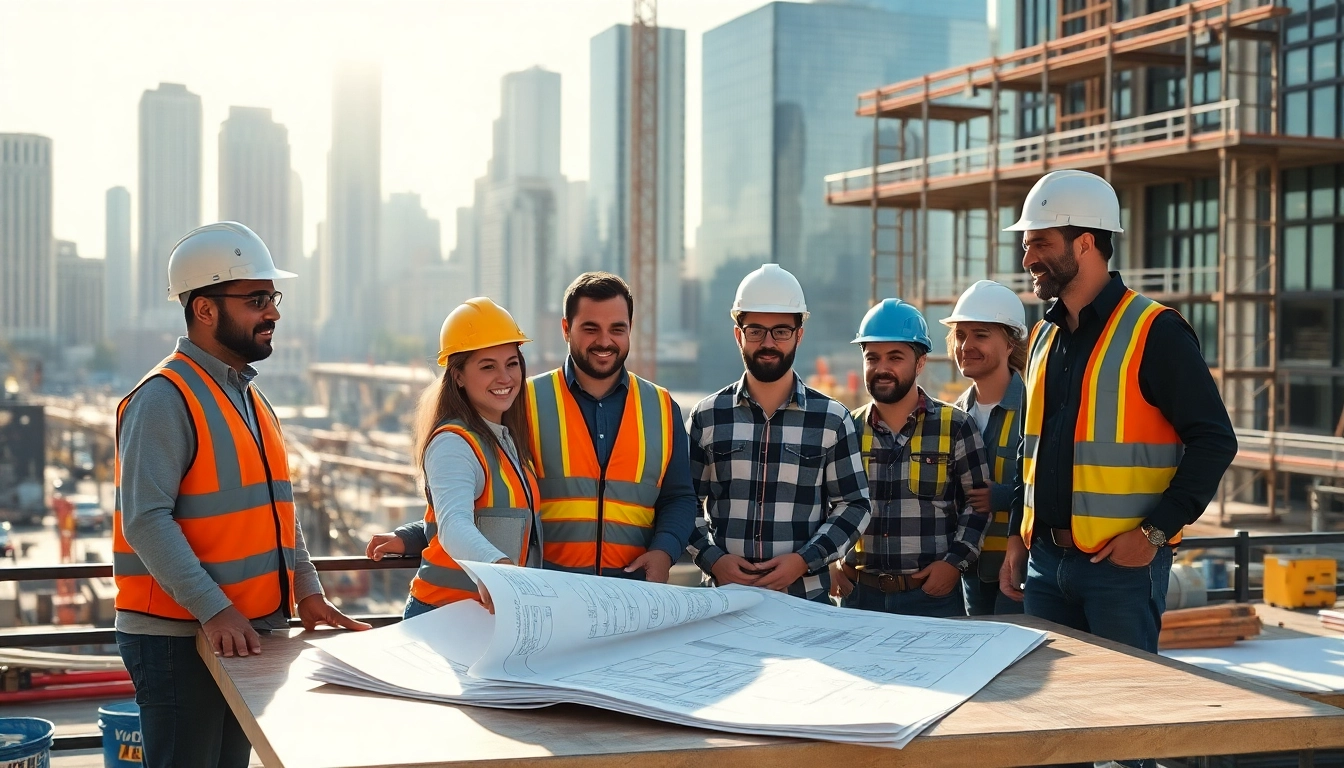
A general contractor (GC) plays a crucial role in orchestrating the various aspects of construction projects. A New Jersey Commercial General Contractor is responsible for overseeing the construction process, from initial planning and design to the final touches and inspections. This includes managing schedules, coordinating subcontractors, and ensuring that the project stays within budget while meeting local building codes and safety regulations.
The general contractor acts as the main point of contact for the client, architects, and designers, facilitating clear communication and ensuring that all parties are aligned throughout the project. They also troubleshoot any issues that arise and are responsible for the overall quality control of the work delivered.
Types of Projects Managed by Contractors
Commercial general contractors are involved in a wide variety of projects, ranging from small renovations to large-scale construction endeavors. Common types of projects include:
- Office Buildings: Constructing and remodeling commercial office spaces, ensuring functionality and aesthetics.
- Retail Outlets: Building stores and shopping centers that attract customers and boost sales.
- Industrial Facilities: Developing warehouses, factories, and distribution centers designed for efficiency.
- Hospitality Projects: Constructing or renovating hotels and restaurants, focusing on guest experience.
- Healthcare Facilities: Building and upgrading hospitals and clinics to meet safety and operational standards.
Benefits of Hiring a New Jersey Commercial General Contractor
Engaging a New Jersey commercial general contractor brings several advantages that can streamline the construction process and enhance project outcomes:
- Expertise: Professional contractors bring extensive knowledge of local building codes, regulations, and industry standards, reducing the likelihood of costly mistakes.
- Project Management: They possess well-honed project management skills, which help keep projects on track, on budget, and within scope.
- Quality Assurance: General contractors ensure that construction quality meets both the client’s expectations and industry standards, often leading to superior finishes.
- Networking: Their established relationships with subcontractors, suppliers, and local vendors can lead to better pricing and quicker turnaround times.
- Risk Mitigation: A qualified contractor is adept at identifying and managing risks related to construction, minimizing disruptions and delays.
Key Factors to Consider When Selecting a Contractor
Experience and Expertise in Your Project Type
When evaluating potential contractors, consider their experience relevant to your specific project type. A contractor with a proven track record in your industry will better understand the nuances of your project. For instance, a contractor experienced in healthcare facilities will be more adept at navigating the unique challenges associated with building hospitals, such as strict regulatory compliance and specialized design needs.
Moreover, check for relevant certifications and ongoing training. An engaged contractor is likely to stay abreast of industry trends and building technologies, which could benefit your project in terms of efficiency and innovation.
Licensing and Insurance Requirements
In New Jersey, hiring a licensed contractor is not just advisable; it is a regulatory requirement. Verify that the contractor holds all necessary licenses and permits to operate legally in the state. Additionally, ensure they carry adequate insurance coverage, which should include liability and workers' compensation insurance. This protects both you and the contractor in case of accidents, injuries, or property damage during the construction process.
Reviewing Contractor References and Portfolios
Before making your final decision, review references and portfolios from potential contractors. A reputable contractor will gladly provide examples of previous work, including case studies when possible. Take time to reach out to past clients to inquire about their experiences, looking for feedback on the contractor's reliability, quality of work, and overall professionalism.
Visiting completed projects, if feasible, can also provide invaluable insights into the contractor's capabilities and aesthetic sensibility.
Evaluating Contractor Proposals Effectively
Breaking Down Bid Estimates
When you receive proposals from contractors, take the time to thoroughly analyze the bid estimates. A well-structured proposal should clearly outline costs associated with labor, materials, permits, and any other expenses. If anything seems unclear or vague, request clarification to avoid misunderstandings later. Consider obtaining multiple bids to compare pricing and scope. However, be cautious about choosing the lowest bid; focus instead on the overall value provided.
Assessing Timelines and Project Management Approaches
An effective proposal should include a detailed project timeline. Ask the contractor about the project management approach they will employ and how they handle scheduling logistics. A transparent contractor will discuss potential risks that could cause delays and their strategies for mitigating these risks. Understand the importance of communication in project management; regular updates and meetings can significantly enhance project coordination.
Understanding Payment Structures and Terms
Every contractor will have a different payment structure. Common practice involves a deposit followed by progress payments based on completed milestones and a final payment upon project completion. Ensure that you understand the terms completely and that they align with your budget and cash flow. Be wary of requests for upfront payments that appear excessive, and ensure the payment structure includes provisions for additional work if required.
Common Challenges with General Contractors in New Jersey
Managing Expectations During Construction
One common challenge in any construction project is managing expectations between all stakeholders. Clear communication and documented agreements are crucial to ensure that everyone is on the same page, especially concerning project scope, timelines, and budgets. Regular meetings and updates can help keep all parties informed, while also addressing any concerns as they arise.
Resolving Disputes and Delays
Despite careful planning, disputes and delays can happen. Addressing problems promptly is essential for minimizing impacts on the project schedule. Be sure that your contract delineates how disputes will be resolved—through mediation, arbitration, etc.—and establish protocols for handling change orders and unforeseen issues. Maintaining a professional and open dialogue with your contractor and keeping an eye on the project’s progress can help reduce the likelihood of escalated disputes.
Ensuring Quality Control on Your Project
Quality control is critical in construction. Sorting through multiple contractors to find the best fit can be daunting, but it pays off when it comes to the final product. Insist on a plan for quality assurance and regular inspections during the construction phase. The contractor should be proactive in integrating best practices and safety measures into their work, ensuring that the finished project will meet the required standards and your expectations.
FAQs About Hiring a New Jersey Commercial General Contractor
What should I look for in a New Jersey Commercial General Contractor?
Look for experience, proper licensing, and a good portfolio. Recommendations from past clients can also help.
How do payment structures work with contractors?
Payment structures vary; typically, they include a deposit, progress payments, and a final payment upon completion.
Should I hire a contractor for a small commercial project?
Yes, hiring a contractor ensures professional management, saves time, and can provide cost-effective solutions even for smaller projects.
How long does it take to complete a project with a contractor?
Labor time depends on project size and complexity but expect timelines to be thoroughly discussed during the proposal stage.
What happens if there are issues during construction?
Issues can be managed through open communication. Ensure your contract outlines how disputes and changes are handled.