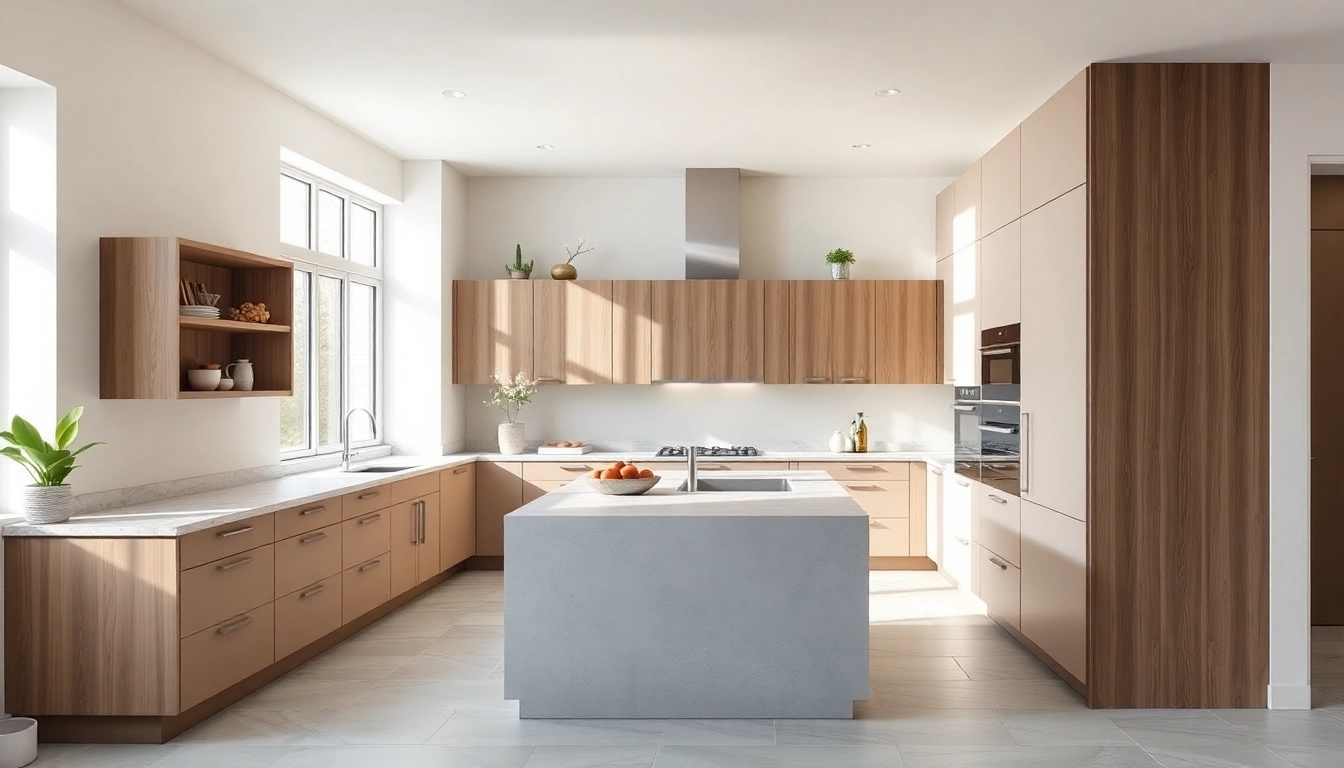
Understanding Kitchen Remodelling Manchester
What is Kitchen Remodelling?
Kitchen remodelling is the process of renovating an existing kitchen to improve its functionality, aesthetics, and overall value. This can range from minor upgrades, such as replacing cabinetry and fixtures, to complete overhauls that involve structural changes. In kitchen remodelling manchester, homeowners are increasingly looking to create spaces that reflect their style while enhancing usability and comfort.
Benefits of Kitchen Remodelling
Investing in kitchen remodelling comes with a multitude of benefits:
- Increased Home Value: A well-designed kitchen can significantly boost the resale value of your home, making it more appealing to potential buyers.
- Improved Functionality: Remodelling allows you to rethink the layout, making the kitchen more functional for everyday activities such as cooking, cleaning, and entertaining.
- Personalization: You can customize your kitchen to reflect your unique style and preferences, integrating features that suit your lifestyle.
- Energy Efficiency: Updating appliances and fixtures can lead to reduced energy consumption, which is both cost-effective and environmentally friendly.
- Enhanced Aesthetics: A remodel can breathe new life into a dated kitchen, utilizing modern design trends and materials.
Key Trends in Kitchen Designs
The realm of kitchen design is perpetually evolving, influenced by changes in technology, lifestyle, and aesthetics. Some of the current trends include:
- Open Concept Layouts: Merging the kitchen with adjacent areas, such as the dining or living room, to create a spacious and inclusive environment.
- Smart Technology: Incorporating smart appliances and systems that enhance convenience and connectivity, such as intelligent ovens and refrigerators.
- Natural Materials: Using materials like wood, stone, and metals to create a warm, organic ambiance.
- Bold Colors: Moving away from the traditional neutrals to include vibrant hues that make a statement.
- Minimalist Designs: Focusing on simplicity, clutter-free spaces, and clean lines, making kitchens both functional and visually appealing.
Planning Your Kitchen Remodelling Project
Setting a Realistic Budget
Establishing a budget is crucial to a successful kitchen remodelling project. A well-defined budget helps set expectations and keeps the project on track financially. Here are some key points to consider:
- Research Costs: Understand the average costs for materials, labor, and any additional features you might want to include.
- Prioritize Needs vs. Wants: Identify essential features and any optional upgrades that can be added later.
- Include Contingency Funds: Set aside 10-20% of your budget for unexpected expenses that may arise during the remodel.
Choosing the Right Materials
The choice of materials can dictate the style, durability, and maintenance of your kitchen. Here are aspects to consider:
- Cabinetry: Opt for quality materials like solid wood or plywood, which can endure wear and tear better than particleboard.
- Countertops: Popular options include granite, quartz, and butcher block, each offering unique properties.
- Flooring: Select flooring that complements your style — options include tile, hardwood, and luxury vinyl, each with benefits and drawbacks.
Working with Professionals
While DIY projects can save money, working with professionals can ensure high-quality results. Consider hiring the following experts:
- Designers: They can help maximize functionality and create a cohesive look.
- Contractors: Experienced contractors will ensure that the construction meets safety standards and timelines.
- Specialists: Depending on your project, you may need electricians, plumbers, or tile installers for specific tasks.
Essential Features for Your New Kitchen
Smart Storage Solutions
As kitchens become more functional, innovative storage solutions are essential. Consider these ideas:
- Pull-Out Cabinets: Reduce clutter by using pull-out shelves or drawers that utilize deep spaces efficiently.
- Vertical Storage: Consider tall shelving and cabinets that take advantage of vertical space.
- Custom Checklists: Organize drawers with trays or dividers to keep utensils, spices, and tools neatly arranged.
Energy-Efficient Appliances
Investing in energy-efficient appliances can lower your utility bills while reducing your environmental footprint. Key considerations include:
- Look for Energy Star Ratings: Appliances that meet these standards consume less energy, which is beneficial for both savings and the planet.
- Smart Technology: Many modern appliances offer smart features that allow for better energy use management.
- Quality over Quantity: Invest in fewer high-quality items rather than multiple lower-quality units to maximize efficiency and durability.
Stylish Backsplashes and Flooring
Backsplashes and flooring not only serve functional purposes but also contribute to the overall aesthetic of the kitchen. Consider the following:
- Backsplash Materials: Tiles, glass, and metals can add a unique flair while being durable and easy to clean.
- Designing Patterns: Mixing and matching materials and colors can create striking visual contrasts.
- Flooring Options: Choose materials that are both stylish and practical. Waterproof options are ideal to withstand spills.
Common Challenges in Kitchen Remodelling
Dealing with Space Constraints
Small or awkwardly shaped kitchens can pose significant challenges. Here are practical solutions:
- Open Shelving: Instead of bulky cabinets, consider shelves to provide open space and a lighter feel.
- Multi-Functional Layouts: Use islands that can incorporate storage, seating, and preparation areas to maximize utilization.
- Light Colors: Opt for lighter colors and reflective surfaces to create an illusion of a more spacious area.
Managing Timelines and Expectations
Underestimating the time required for a kitchen remodel can lead to frustration. To manage timelines and expectations, consider:
- Planning Ahead: Draft a timeline including all phases from design to completion and communicate with your contractor regularly.
- Realistic Deadlines: Understand that delays may occur due to weather, labor availability, and material shipping issues.
- Open Communication: Keep in touch with all parties involved to stay informed and adjust expectations as needed.
Staying on Budget Throughout the Process
Budget overruns can derail your project; here’s how to stay on track:
- Track Expenses: Maintain a detailed record of all expenditures to monitor if you’re on budget.
- Limit Unnecessary Changes: Stick to your initial plans as much as possible to avoid unexpected changes that can inflate costs.
- Negotiate When Possible: Talk to suppliers about discounts or deals to save on materials and appliances.
Frequently Asked Questions About Kitchen Remodelling Manchester
What are the costs involved in kitchen remodelling?
Costs can vary based on size and materials, but plan for a budget of £10,000 to £30,000.
How long does a typical kitchen remodel take?
Generally, a kitchen remodel can take anywhere from 4 to 12 weeks depending on complexity.
Can I live in my home during the remodel?
It is often possible, but expect noise and limited access to the kitchen during construction.
When is the best time to remodel a kitchen?
While spring and summer are popular, any time is suitable if planned well with contractors.
What styles are trending for kitchen designs?
Popular styles include modern minimalism, rustic farmhouse, and traditional with a twist.