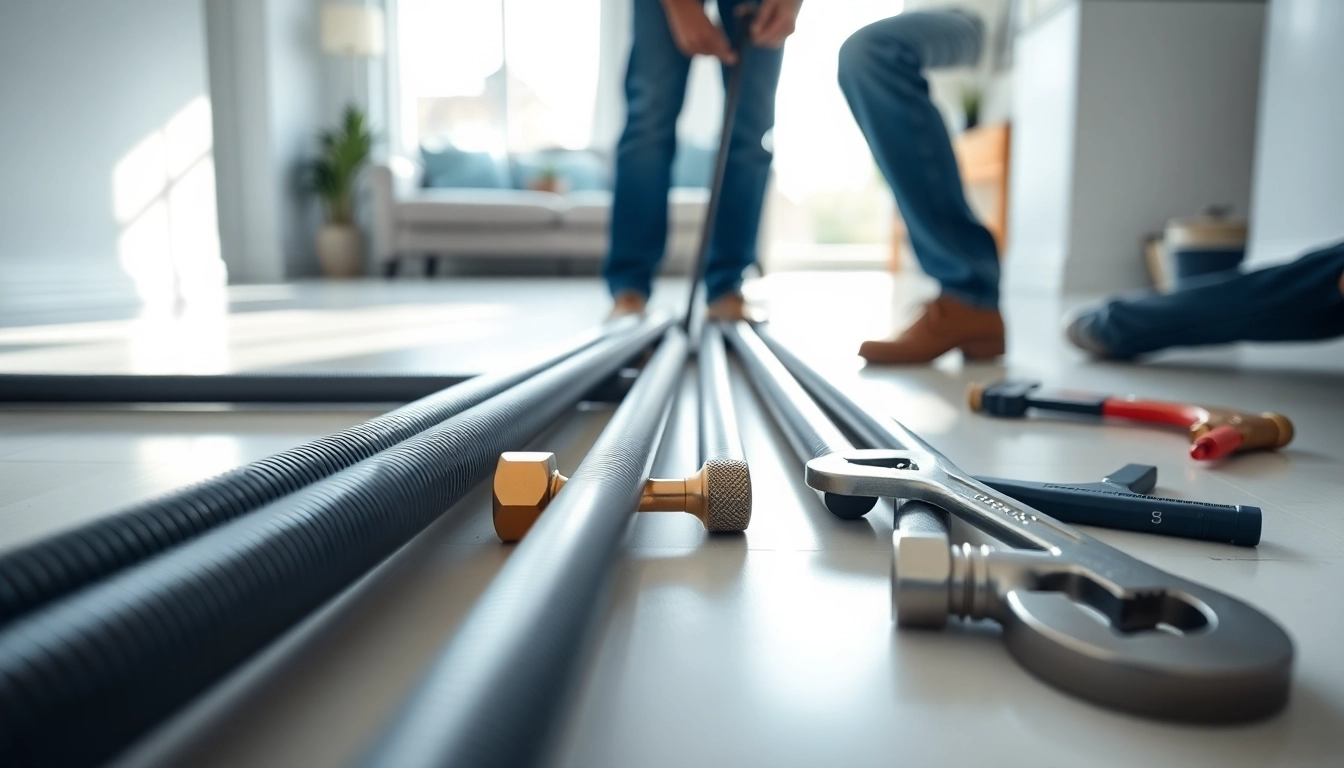
Understanding Whole House Repiping
What is Whole House Repiping?
Whole house repiping is a comprehensive plumbing solution that involves replacing all the pipes in a residential property. This procedure is essential when your plumbing system has deteriorated due to age, wear, or damage. The repiping process ensures that your home has efficient water delivery and waste disposal systems, ultimately improving overall plumbing performance. With whole house repiping services St Petersburg FL, homeowners can expect not just to fix current plumbing issues, but also to prevent future ones.
Signs You Need Whole House Repiping
Recognizing the warning signs that your home may need repiping is crucial. Here are several indicators:
- Frequent Leaks: If you notice repeated leaks in multiple locations, this could signal widespread pipe deterioration.
- Discoloration of Water: Rusty or brown water is a strong indicator of corrosion within your pipes.
- Low Water Pressure: A significant drop in water pressure can point to blockages or pipe breaks.
- Unusual Noises: Sounds such as banging or gurgling pipes can suggest issues with your plumbing system.
- Age of Pipe Materials: Homes with old metal pipes are at higher risk for various plumbing issues, making repiping a necessary solution.
Benefits of Whole House Repiping Services St Petersburg FL
Investing in whole house repiping offers numerous advantages:
- Improved Water Quality: New pipes can lead to cleaner, safer drinking water free from contaminants.
- Enhancement of Water Pressure: You can expect a boost in overall water pressure, alleviating everyday inconveniences.
- Increased Home Value: A repiped home often sees a marked increase in market value and appeal.
- Greater Peace of Mind: With new pipes, you can rest assured that your plumbing will function properly for years to come.
- Reduced Maintenance Costs: A new plumbing system can decrease the frequency and cost of repairs.
Choosing the Right Materials for Repiping
Types of Piping Materials
When it comes to repiping, selecting the right materials is vital. Commonly used materials include:
- Copper: Durable and resistant to corrosion, copper has long been a standard choice in plumbing.
- PEX (Cross-linked Polyethylene): This flexible plastic piping is lightweight and easy to install, making it popular in modern homes.
- CPVC (Chlorinated Polyvinyl Chloride): Known for its high-temperature tolerance, CPVC is often used in hot water lines.
- Galvanized Steel: While once favored, this material is less desirable today due to corrosion issues.
Comparing Copper vs. PEX
Both copper and PEX have their unique benefits and drawbacks:
- Copper:
- Pros: Longevity, resistance to bacteria, and excellent water quality.
- Cons: High cost and susceptibility to freezing in extreme temperatures.
- PEX:
- Pros: Lower installation costs, flexibility, and minimal risk of freezing.
- Cons: Sensitive to UV rays and cannot be directly exposed to sunlight.
Cost Considerations for Different Materials
The cost for repiping can greatly vary depending on the material chosen. Generally, PEX tends to be less expensive than copper, both in material and labor costs. However, homeowners should weigh the advantages of each material against upfront and long-term costs, factoring in anticipated maintenance, durability, and any potential benefits to home resale value.
The Repiping Process Explained
Initial Inspection and Assessment
The repiping process begins with a thorough inspection of your existing plumbing system. A qualified plumber will assess the condition of your pipes and identify areas of concern. This initial evaluation is crucial as it allows the contractor to formulate a customized repiping plan based on your household’s specific needs.
Step-by-Step Repiping Procedure
Once the assessment is complete, the actual repiping procedure typically involves the following steps:
- Shutting Off Water Supply: All water supply to the home must be turned off before plumbing work begins.
- Removing Old Pipes: The existing piping system is carefully dismantled, ensuring minimal disruption to walls and floors.
- Installing New Pipes: New pipes are installed, adhering to local plumbing codes and optimizing for efficiency.
- Testing the System: After installation, all connections are tested for leaks and performance to ensure functionality.
Post-Installation Quality Checks
Once the installation is complete, thorough quality checks are necessary. These checks include running water through the new system to confirm that pressure levels are adequate, inspecting all connections for potential leaks, and ensuring that the water quality meets safety standards. This phase is vital to ensure the longevity and reliability of your new plumbing.
Finding the Right Plumbing Service in St Petersburg
How to Evaluate Repiping Services
Choosing the right plumbing contractor is crucial. Look for services with comprehensive experience in repiping, positive customer feedback, and transparent licensing and insurance. Firms that provide warranties on their work also demonstrate confidence in their service quality.
Questions to Ask Your Plumbing Contractor
Before proceeding, consider asking potential plumbing contractors the following questions:
- What experience do you have with whole house repiping?
- Can you provide references from previous clients?
- What materials do you recommend and why?
- How do you approach unexpected complications during the project?
- What warranties or guarantees do you offer on your work?
Understanding Service Estimates
When reviewing estimates, ensure they break down the costs associated with labor, materials, and additional charges. A detailed estimate helps you understand the financial commitment and whether the quote aligns with your budget and expectations. Don’t hesitate to ask for clarifications on any unclear charges.
Maintenance and Aftercare for Your Repiped Home
Aftercare Tips for Longevity
To extend the life of your newly installed pipes, consider the following maintenance tips:
- Regularly check for leaks and address them immediately.
- Use water softeners if you live in an area with hard water.
- Flush your system periodically to remove sediment accumulation, especially in older homes.
- Schedule regular plumbing inspections to catch issues early.
Signs of Potential Problems
After repiping, it’s essential to remain vigilant. Common signs that indicate potential problems include:
- Visible moisture around pipes.
- Unusual water pressure fluctuations.
- Unexplained increases in your water bill.
- Awkwardly shaped water flow or stream.
Frequently Asked Questions About Repiping
What is the average cost of whole house repiping?
The average cost varies greatly, but most homeowners can expect to pay between $3,000 and $15,000 depending on the size of the home and materials used.
How long does the repiping process take?
Typically, repiping a home can take anywhere from one to several days, depending on the complexity of the job and the existing conditions of the plumbing.
Will repiping disrupt my daily routine?
Some disruption is inevitable, but experienced plumbers will minimize the impact by working efficiently and keeping you informed throughout the process.
Is it possible to repipe only certain areas?
While partial repiping is possible, it’s often advisable to repipe the entire system to avoid future issues caused by old pipes persisting in use.
How can I prepare for a repiping project?
Clearing areas around plumbing fixtures and providing access points helps make the process smoother, reducing the time and effort required by the plumbing team.