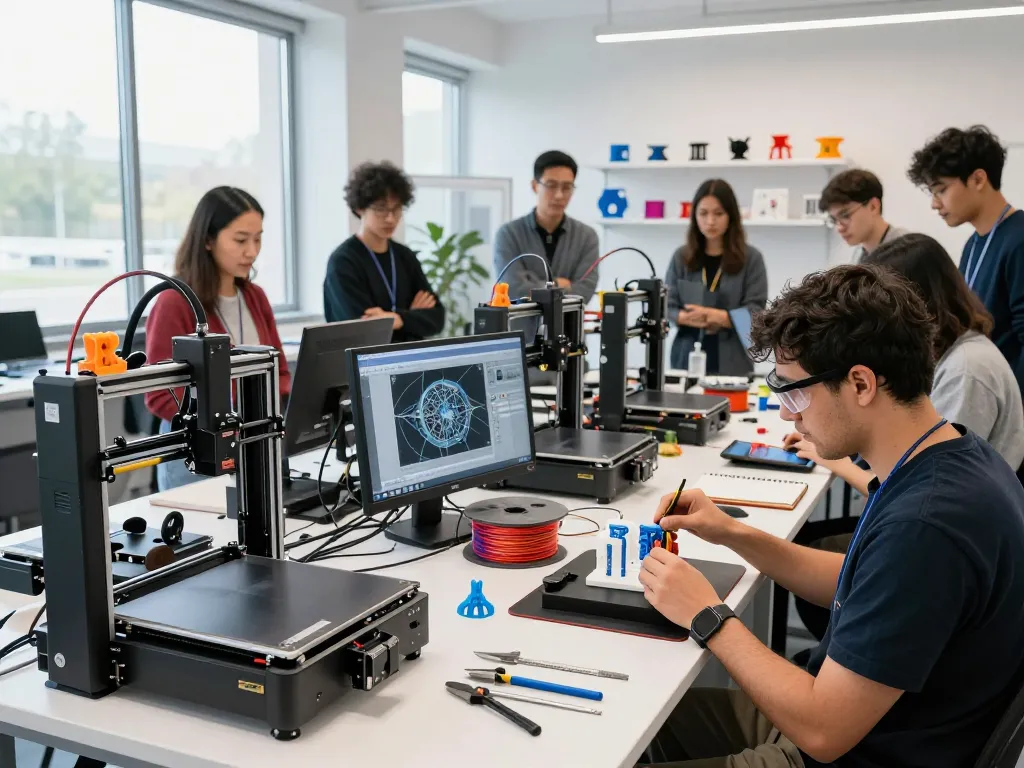
Understanding 3D Printing: Basics and Beyond
3D printing, also known as additive manufacturing, has become a transformative force across various industries, reshaping the way we conceptualize, design, and produce physical objects. From rapid prototyping to intricate designs, the applications of 3D Printing are expanding at an unprecedented rate. In this article, we will explore the fundamentals of 3D printing, delve into its evolution, and uncover its extensive applications across multiple sectors.
What is 3D Printing?
3D printing is a process that creates three-dimensional objects by laying down successive layers of material based on a digital model. It allows for the creation of complex shapes and structures that traditional manufacturing methods struggle to achieve. This technology is primarily used in rapid prototyping, where businesses can quickly turn concepts into physical products, facilitating faster testing and iteration.
The Evolution of 3D Printing Technology
Since its inception in 1984 by Charles W. Hull, 3D printing technology has undergone significant advancements. Initially, it was restricted to industrial applications due to high costs and limited materials. However, the last two decades have seen a dramatic reduction in prices and expansion in material options, democratizing access to 3D printing for hobbyists and small businesses alike. Today, various printing methods, such as Fused Deposition Modeling (FDM), Stereolithography (SLA), and Selective Laser Sintering (SLS), cater to different needs and materials, from plastics to metals.
Applications of 3D Printing Across Industries
The versatility of 3D printing has led to its adoption in diverse fields, including:
- Aerospace: Companies like Boeing and Airbus utilize 3D printing to produce lightweight components that enhance fuel efficiency.
- Healthcare: Customized implants and prosthetics can be created to fit individual patients, improving surgical outcomes.
- Automotive: Firms such as Ford and General Motors use 3D printing for prototyping and creating functional end-use parts.
- Consumer Goods: Designers and artists leverage 3D printing to create unique products, from fashion items to home decor.
Common Misconceptions About 3D Printing
Is 3D Printing Only for Experts?
Many believe that 3D printing is solely for engineers or specialists; however, advancements in user-friendly software and affordable printers have made it accessible to non-experts. Online communities and resources provide guidance, making it possible for anyone to create functional 3D printed objects.
Myths About Cost and Accessibility
While it’s true that professional-grade printers can be expensive, the availability of hobbyist models has made 3D printing more accessible. Home users can purchase printers for as low as $200, and the continuous improvement in technology drives down costs further.
Debunking Quality Concerns in 3D Printing
Another misconception is that 3D printing cannot produce high-quality results. However, with the right settings and materials, users can achieve professional-grade prints. Techniques such as post-processing can enhance the finish and durability of printed objects, further bridging the quality gap with traditional manufacturing.
Essential 3D Printing Techniques for Beginners
Choosing the Right 3D Printer for Your Needs
When starting out, selecting the right printer is crucial. FDM printers are typically recommended for beginners due to their affordability and ease of use, while more advanced users might explore SLA or SLS printers for higher quality and detail.
Understanding Filaments and Materials
The choice of filament can significantly impact the final product. Common materials include PLA for ease of use, ABS for durability, and PETG for clarity and toughness. As technology advances, more specialized materials are becoming available, including flexible filaments and bio-compatible options.
Basic Design Principles for Successful 3D Models
Successful 3D printing requires an understanding of design principles. Ensuring proper dimensions, considering overhangs, and maintaining adequate wall thickness are crucial for producing clear and functional models. Resources such as design software tutorials can greatly assist beginners in learning these concepts.
Advanced Techniques in 3D Printing
Post-Processing Methods for Enhanced Finishing
Post-processing techniques, such as sanding, painting, and resin coating, can significantly improve the aesthetics and durability of 3D printed items. Advanced users may employ methods like vapor smoothing for ABS or chemical treatments for improving surface finishes.
Integrating 3D Printing with Other Technologies
Innovative integrations, such as combining 3D printing with CNC machining or laser cutting, allow for hybrid manufacturing processes. This fusion provides capabilities to leverage the strengths of both methods, resulting in enhanced precision and versatility.
Reducing Waste with Sustainable Practices
As environmental concerns rise, sustainable practices in 3D printing are becoming essential. Strategies include recycling filaments, optimizing designs to minimize material use, and utilizing biodegradable materials. Companies like Carbon3D are pioneering sustainable 3D printing technologies that reduce waste and energy consumption.
The Future of 3D Printing: Trends and Innovations in 2026
Emerging Technologies in 3D Printing
The future of 3D printing is bright, with innovations such as bioprinting, which allows for the printing of tissues and organs, and metal 3D printing that is expected to revolutionize industries. Moreover, the development of automated printing systems aims to increase efficiency and decrease labor costs.
The Role of AI in 3D Printing
Artificial Intelligence (AI) is set to play a significant role in optimizing 3D printing processes. Machine learning algorithms can predict print failures, optimize designs for specific applications, and even customize products to suit individual consumer preferences.
Future Applications: What Lies Ahead?
The potential future applications of 3D printing are vast. The technology is anticipated to disrupt supply chains by allowing for localized production. Furthermore, innovations in material science may lead to entirely new applications, including the creation of smart materials that respond to environmental changes.
Is 3D Printing Suitable for Home Users?
Absolutely! Home users can benefit from 3D printing for hobbies, educational purposes, and even small business ventures. The accessibility of affordable printers and extensive online resources makes it easier than ever for anyone to enter the 3D printing space.
How to Start Your 3D Printing Journey?
Starting your 3D printing journey involves several steps: researching different printer types, selecting a suitable printer, learning design software, and engaging with online communities for support. Numerous tutorials and resources are available to help beginners overcome common hurdles.
What Industries Can Benefit from 3D Printing?
As 3D printing progresses, various industries are poised to reap the rewards. Sectors such as fashion, architecture, education, and even food production are discovering innovative ways to incorporate 3D printing into their processes.
What Are the Costs Involved in 3D Printing?
The costs associated with 3D printing can vary widely. Hobbyists might spend a few hundred dollars on a printer and materials, while professionals may invest thousands. Ongoing costs include maintenance, materials, and software for design. However, the long-term benefits often outweigh initial investments.
How to Troubleshoot Common 3D Printing Issues?
Common 3D printing issues, such as warping, layer adhesion problems, and nozzle clogs, can often be resolved with adjustments to printer settings or materials. Many online forums and communities offer solutions to these frequent challenges, making it easier for users to find answers quickly.