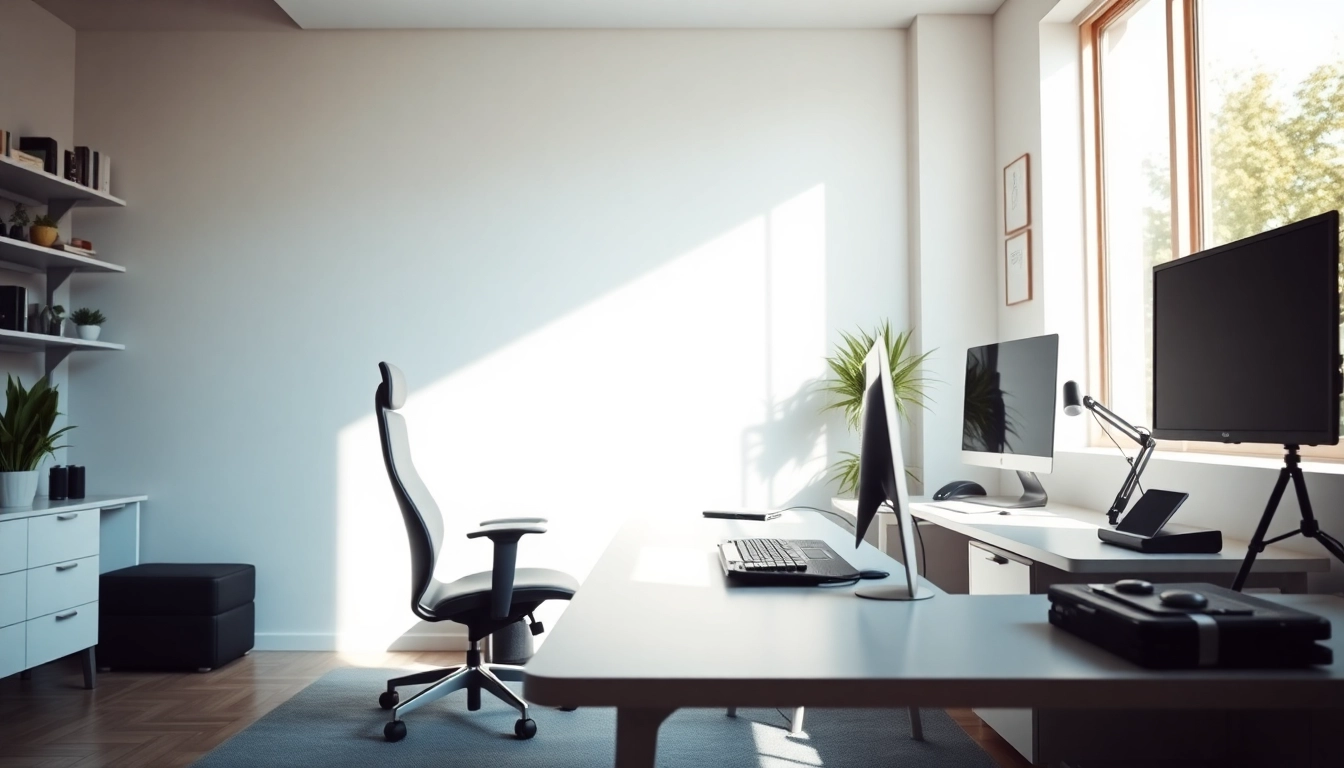
Understanding the Importance of a Well-Defined Workspace
Why Your Office Environment Matters
Creating an effective workspace is essential for maximizing productivity and maintaining a healthy work-life balance. Whether working from home or in a traditional office, the environment plays a pivotal role in influencing your motivation and efficiency. A well-thought-out design can minimize distractions, enhance focus, and foster creativity. Discover insights on crafting a conducive office by exploring resources like https://amc-essentials.com/, which emphasize the significance of workplace ergonomics and aesthetics.
Common Challenges of Working from Home
While remote work offers flexibility, it also presents unique challenges. Distractions from household activities, lack of motivation, and issues with maintaining a clear separation between personal and professional life can hinder productivity. Many home office setups lack structure, leading to inefficiencies. Understanding these challenges is crucial for developing strategies to address them and create a productive work environment.
Benefits of a Dedicated Work Space
A dedicated workspace can significantly improve focus and productivity. It helps define boundaries and reminds you of the work commitments you have. This connection between space and activity can also alleviate feelings of stress associated with work. Moreover, a personalized workspace can enhance creativity and job satisfaction, leading to an overall improvement in performance.
Designing an Efficient Office Layout
Essential Elements for Optimal Workflow
Efficient office layout can serve as the backbone of productivity. Configuring your workspace should prioritize elements like accessibility, organization, and comfort. Ideally, your desk should be situated with easy access to frequently used materials and tools. An effective layout enables smooth workflow and limits interruptions, making it easier to transition from one task to another.
Space Planning Strategies
Successful space planning relies on understanding your tasks and the flow they require. Create zones for different activities—like workstations for focused tasks, quiet nooks for contemplation, and collaborative areas for brainstorming. Use visual barriers or furniture placement to enhance functionality and privacy while also ensuring space feels open and inviting.
Choosing the Right Furniture for Comfort
Investing in ergonomic furniture is imperative. A comfortable chair that fits your body type and a desk at the right height can minimize physical strain and boost productivity. Consider adjustable options to cater to different work styles and preferences. Accessories like keyboard trays, monitor stands, and anti-fatigue mats can further enhance your workspace comfort.
Integrating Technology for Enhanced Work Experience
Must-Have Tech Gadgets for Home Offices
Remote work can be significantly augmented with the right technology. Essential gadgets include a high-quality webcam for clear virtual meetings, a reliable microphone for crisp audio, and high-speed internet. Additionally, considering dual monitors can increase efficiency by allowing multiple projects to be visible simultaneously. Laptops should also be equipped with performance-oriented software for task management and communication.
Organizing Cables and Connections
Cluttered cables can lead to distractions and even safety hazards. Implement cable management strategies like cable clips, sleeves, or boxes to keep them organized and out of sight. Labeling cords can also help you quickly identify connections. A tidy workspace not only enhances aesthetics but can also improve your efficiency and concentration.
Smart Solutions for Remote Work Efficiency
Utilizing technology can streamline your work processes. Applications for time management, team collaboration, and project tracking enable seamless workflow. Virtual assistants can help schedule tasks and reminders, while “smart” home devices such as temperature control systems enhance comfort. Embracing these innovations can foster a balanced and productive work environment.
Creating a Comfortable and Inviting Atmosphere
Lighting Solutions for Productivity
Lighting profoundly impacts concentration and mood. Natural light is ideal, so choose a workspace near windows if possible. When that’s not feasible, opt for adjustable artificial lighting solutions like desk lamps with brightness control. Warm light can create a cozy atmosphere, while bright white light can enhance focus. Try to avoid glare on screens, as it can cause eye strain.
Incorporating Personal Touches
Personalizing your workspace improves morale and motivation. Incorporate elements that resonate with you—family photos, artwork, or plants—all contribute to a more inviting space. However, ensure that these additions do not clutter. Finding the right balance between personalization and functionality is key to maintaining an effective workspace.
Maintaining a Healthy Work-Life Balance
A well-defined workspace can help separate your professional and personal life. Create routines that signal the start and end of work hours. Taking breaks at regular intervals, such as a walk or a coffee break, can refresh your mind and prevent burnout. Setting boundaries with household members about your work time can also foster a more respectful working environment.
Measuring Success and Continuous Improvement
Evaluating Your Workspace Effectiveness
It’s important to periodically assess how your workspace aligns with your goals. Are you feeling productive, or do distractions persist? Seeking feedback from coworkers or conducting self-evaluations can provide insights. Utilize online surveys or simple checklists to identify areas for enhancement or adjustment in your design.
Tools for Tracking Productivity
Tracking tools can help gauge productivity levels, pinpoint stress-inducing tasks, and identify peak performance hours. Applications like time-tracking software allow you to monitor how time is spent on various activities. Reflecting on these insights can guide future workspace modifications and personal time management practices.
Adjusting Your Setup as Needs Change
As work demands evolve, so should your workspace. Flexibility becomes crucial; regularly revisit your layout and tools. If you find yourself consistently altering between tasks or projects, consider modular furniture or adaptable technology that can accommodate these changes. Staying receptive to your workspace’s evolution is vital for sustained productivity.
FAQs:
What are the key elements of a productive home office?
A productive home office includes ergonomic furniture, good lighting, and organized tech setup that facilitates workflow.
How do I enhance my home office ambiance?
Incorporate plants, artwork, and personal items to create a more inviting and comfortable workspace.
What technology is essential for remote work?
Key tech includes a reliable computer, high-speed internet, and productivity software that streamline your tasks.
How can I ensure a healthy work-life balance at home?
Set clear working hours, take regular breaks, and implement routines that signal the end of your workday.
How often should I reevaluate my office setup?
Reevaluate your office setup periodically or whenever you notice productivity disruptions or increased distractions.